
How to Start Homeschooling: A Step-by-Step Guide for Beginners
If you’re thinking about homeschooling but feel overwhelmed, confused, or unsure where to begin—you’re not alone.
Most families don’t struggle with wanting to homeschool.
They struggle with knowing where to start.

Website Must-Haves for Indie Authors (What You Actually Need to Sell Books)
Your author website is your home base. It’s where readers decide whether to trust you, follow you, join your email list, and ultimately buy your books.
The good news?
You don’t need a complicated or expensive site to make it work. You just need the right elements in the right places.

Marketing Your First Book: What Actually Works for New Authors
This post breaks down what actually works for first-time authors, what to skip (for now), and how to build a sustainable marketing plan without burning out.
What Is the Sustainable Systems Method?
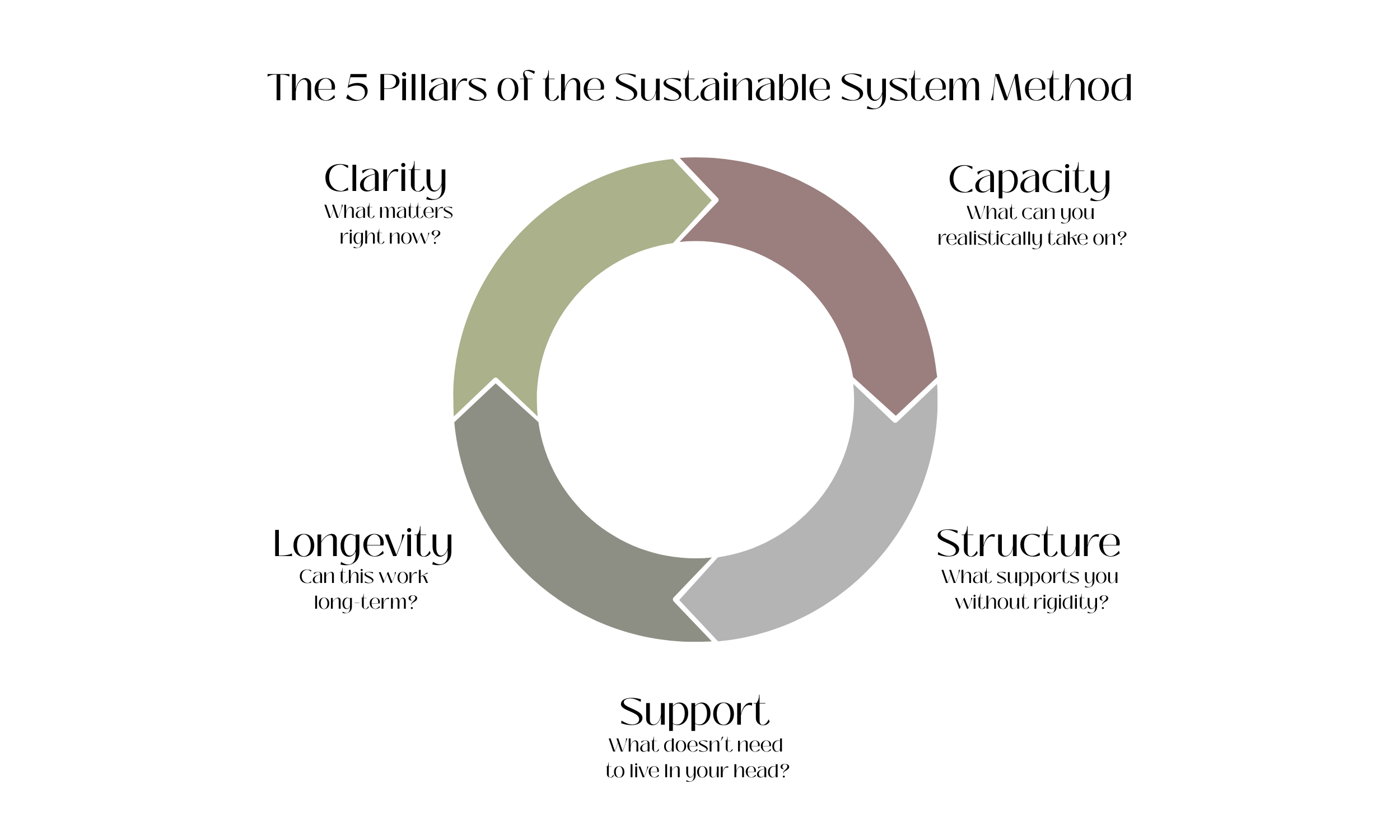
Learn what the Sustainable Systems Method is and how it helps families, homeschoolers, authors, and creatives build real‑life systems that last.
How to Build an Email List from Zero
If you’ve ever thought, “I’ll start an email list once I have more followers”—this one’s for you.
The truth is, your email list isn’t something you start after you’ve built an audience. It’s something that helps you build that audience.
Whether you’re an author, creative entrepreneur, or small business owner, an email list is one of the most powerful tools you can have. Social platforms come and go, but your email list is yours—a direct line to your most engaged audience.
Here’s how to start building that list from zero, even if you feel like no one’s listening (yet).

Why Your Book Covers Are Part of Your Brand
When readers see your book on a shelf—or scroll past it online—the very first thing they notice isn’t your name or your blurb. It’s your book cover.
That instant visual impression can make the difference between a click and a scroll, a sale and a pass. But beyond sales, your cover art does something even more powerful: it communicates your brand.
Whether you’re a debut author or have several books under your belt, understanding how your book covers fit into your overall brand is essential to building recognition, trust, and connection with readers.
Let’s break down why.

Rebranding as an Author: When & How to Do It the Right Way
Every author’s journey evolves. Maybe your writing style has shifted, maybe your genre has changed, or perhaps your current brand just no longer reflects who you are as a storyteller. That’s when rebranding becomes a powerful strategy.
But rebranding is more than just a new logo or cover design. Done right, it can revitalize your presence and attract new readers. Done wrong, it can confuse your audience and dilute your brand.
Here’s everything you need to know about when and how to rebrand as an author.

How to Position Yourself as a Pro in Your Genre (Even If You’re Just Starting Out)
Every author dreams of being seen as the go-to voice in their genre — the one readers trust, follow, and get excited about. But what if you’re just starting out? The truth is, you don’t need a shelf full of books or years of experience to position yourself as a professional. With the right strategies, you can step into your genre with confidence and authority from day one.

Newsletter Branding for Authors: Subject Lines, Tone & Design
Your newsletter is one of the most powerful tools you have as an author. Social media algorithms change constantly, but your email list? That’s yours. It’s a direct line to your readers—a place where you can nurture relationships, share your journey, and build excitement around your books.
But here’s the thing: readers don’t just want any newsletter. They want a newsletter that feels like you. That’s where branding comes in.

Branding by Genre
When a reader picks up your book, they’re looking for more than just a story—they’re searching for a specific experience. Romance fans want butterflies and happily-ever-afters. Fantasy readers crave immersive worlds. Thriller lovers expect adrenaline and nail-biting suspense.
That’s why your author brand should do more than showcase your personality—it should reflect the promises of your genre.

How to Write an Author Bio That Aligns with Your Brand
Your author bio isn’t just a short blurb on the back of your book — it’s one of the first pieces of your brand that readers will encounter. Whether it’s on your book cover, website, social media profile, or Amazon author page, your bio works 24/7 to introduce you to potential readers and make them want to know more.

How to Keep Your Author Branding Consistent Across All Platforms
You’ve worked hard to define your author brand — your voice, your vibe, your visuals. But if your social media looks one way, your website says something else, and your email newsletter feels like a totally different person... readers get confused. And confused readers don’t stick around.
Consistency isn’t about being boring — it’s about being recognizable.
In this post, I’ll walk you through how to keep your author branding cohesive and compelling across every platform you show up on.

Author Branding vs. Book Marketing: What’s the Difference?
If you’ve ever wondered whether you need an author brand or a book marketing plan — the answer is yes to both. But they aren’t the same thing. Your author brand is who you are and what you stand for. Your marketing is how you sell what you’ve created. In this post, we’re breaking down the real difference between the two, why it matters, and how to make them work together to grow your audience and sell more books.

Finding Your Author Voice on Social Media
How can authors find their voice on social media? Here are several steps to help in the process.